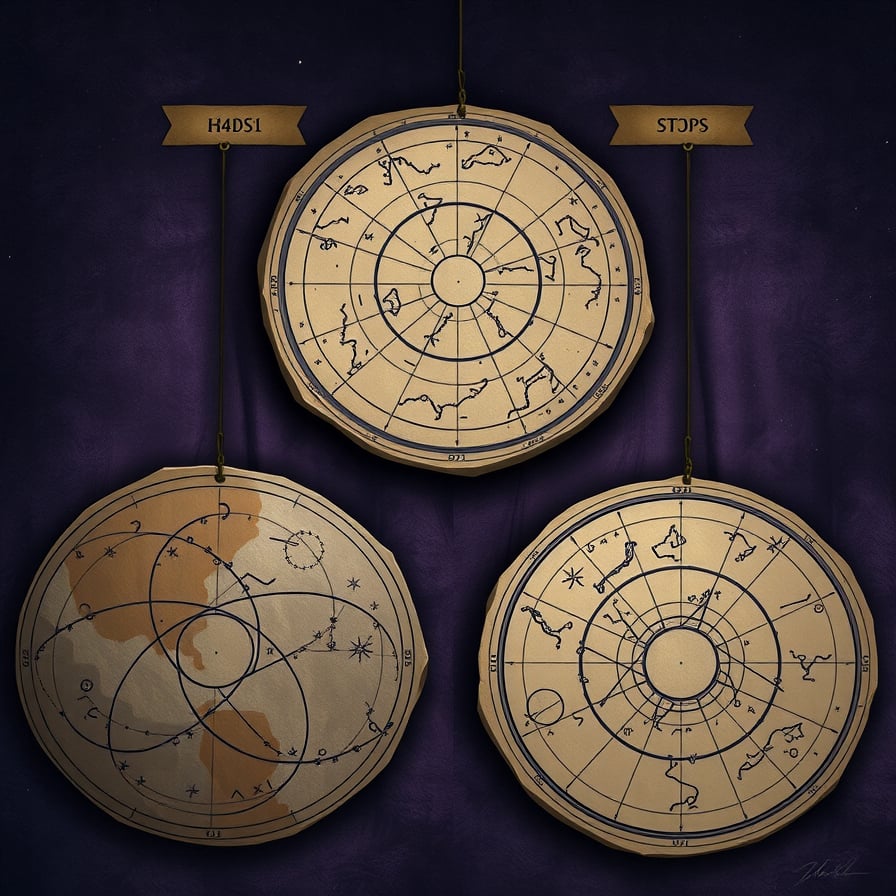

AstroReview provides informational and descriptive content related to horoscope 2026, tarot 2026, and personal horoscope formats. All content is intended for general reading and reference only.
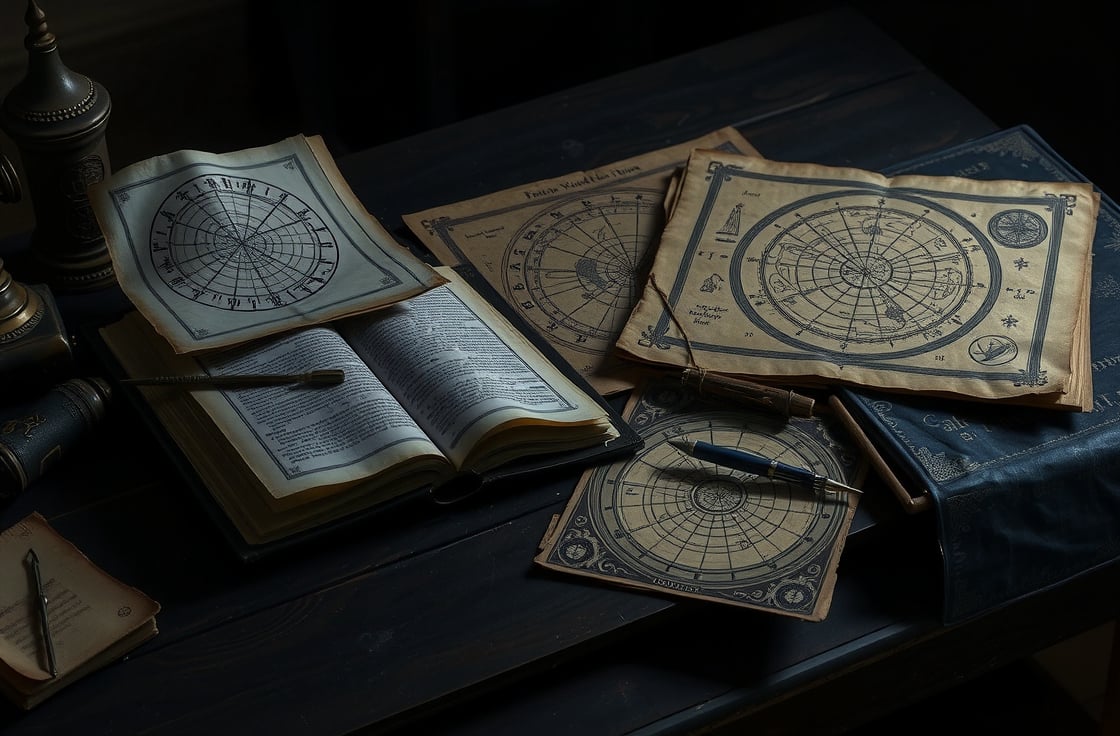
Astrology developed over long periods of human history as part of early efforts to observe, record, and interpret celestial movements. In ancient societies, the night sky played an important role in organising time, seasons, and ritual calendars. Early records from Mesopotamia show systematic tracking of the Sun, Moon, and visible planets alongside written notes that linked celestial cycles to seasonal change.
At this stage, astrology was closely connected to astronomy, mathematics, and calendrical systems. Observations were used to structure agricultural activities, religious festivals, and civic schedules. Interpretive meanings emerged gradually and were shaped by cultural, religious, and social contexts rather than by a single unified theory. These early practices form the foundation of later astrological traditions.

Astrology evolved further during classical antiquity, particularly in Greek and Roman intellectual environments. During this period, scholars combined earlier observational records with philosophical concepts about order, balance, and natural cycles. The zodiac system, planetary associations, and chart-based layouts became more standardised, although interpretations varied widely.
As knowledge moved across regions, astrology was translated and adapted into different languages and cultural settings. Arabic-speaking scholars played a significant role in preserving and expanding astrological texts during the medieval period, contributing to mathematical refinement and technical vocabulary. These works later influenced European scholarship through translation movements.
In medieval Europe, astrology was studied in universities as part of the broader curriculum that included astronomy and natural philosophy. Its status varied by time and place, sometimes regarded as a legitimate interpretive framework and at other times viewed with scepticism or restriction. This historical variability helps explain why astrology today exists in many different forms and tones.
The introduction of print technology significantly changed how astrology was shared. Almanacs, calendars, and annual summaries became widely available, offering simplified and standardised content for public audiences. These publications often included weather notes, agricultural timing, and general sign-based descriptions.
Over time, shorter and more accessible formats became common. By the modern era, astrology was frequently presented as brief sign-based text designed for quick reading. This shift prioritised general language and recurring categories over technical detail. The familiar structure of yearly horoscopes, organised by zodiac sign and life topic, developed largely during this period.
The move toward public-facing formats also led to greater diversity in presentation styles. Some publications focused on educational background, while others emphasised readability and general interest. This distinction remains visible in contemporary astrology writing.
In the twentieth and twenty-first centuries, astrology has largely been positioned as cultural and literary material rather than as a scientific discipline. It appears in books, magazines, and digital media as a form of symbolic storytelling and thematic organisation. Modern astrology writing often blends historical terminology with contemporary language to describe time periods and general patterns.
Today, astrology is commonly approached in several ways:
- as a historical subject studied in relation to ancient science and culture;
- as a symbolic system used in reflective or narrative writing;
- as a popular format for general interest content.
On AstroReview, astrology is presented within this modern context. The site focuses on explaining how astrology content is structured, how terminology is used, and how yearly overviews such as “horoscope 2026” are typically written. The emphasis is on clarity and description rather than endorsement or instruction.
The history of astrology reflects changing cultural needs and communication methods. From early sky observation to printed almanacs and modern digital summaries, astrology has adapted its language and format over time. Understanding this background helps place contemporary horoscope content within a broader historical and cultural framework.
AstroReview provides informational and descriptive content related to horoscope 2026, tarot 2026, and personal horoscope formats. All content is intended for general reading and reference only.
© 2026 AstroReview. All rights reserved.
This website uses essential cookies to ensure basic functionality and secure operation.
Optional cookies are not used unless you provide your consent.
No personal data is sold or shared for advertising or tracking purposes.